

Is It Better To Mount Solar Panels Horizontal Or Vertical
Jul 30, 2025
The orientation of solar panels-horizontal or vertical-plays a pivotal role in energy generation, durability, and suitability for specific environments. While horizontal mounting is the most common choice, vertical setups offer unique advantages depending on geographic location, space constraints, and energy goals. Below, we break down the pros and cons of each orientation to help you make an informed decision.
1. Horizontal Solar Panel Mounting
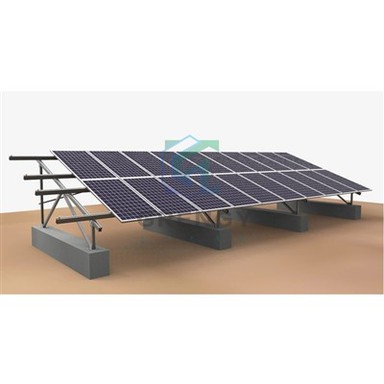
Horizontal mounting involves placing panels parallel to the ground, typically on rooftops or elevated racks.
Advantages:
Maximized Sun Exposure: Horizontal panels capture sunlight more effectively in equatorial regions where the sun is high in the sky year-round.
Space Efficiency: Ideal for sloped roofs, horizontal setups require less ground area, making them perfect for residential properties.
Cost-Effective Installation: Standard mounting hardware is widely available, reducing upfront costs.
Reduced Debris Accumulation: Horizontal surfaces shed leaves and snow more easily, minimizing maintenance.
Disadvantages:
Wind Vulnerability: Flat installations are prone to wind uplift, especially in high-wind zones.
Shading Issues: Nearby structures or trees may cast shadows on horizontal panels during sunrise or sunset.
Summer Overheating: In tropical climates, horizontal panels may overheat, reducing efficiency.
Best For:
Homes with sloped roofs in sunny, low-latitude regions.
Areas with minimal wind exposure and seasonal shading.
2. Vertical Solar Panel Mounting
Vertical mounting positions panels perpendicular to the ground, often resembling fence-like structures or angled arrays.
Advantages:
Year-Round Performance: Vertical panels capture more sunlight in winter when the sun is lower, boosting energy output in colder climates.
Wind Resistance: Vertical alignment reduces wind resistance, making them ideal for coastal or storm-prone regions.
Space Utilization: Vertical systems can be installed on walls, fences, or ground-mounted racks, freeing up roof space for other uses.
Reduced Snow Buildup: Snow slides off vertical panels more easily, minimizing cleaning needs.
Disadvantages:
Summer Efficiency Drop: Vertical setups may underperform in summer when the sun is overhead.
Higher Initial Costs: Custom mounting hardware and structural reinforcement may increase expenses.
Aesthetic Concerns: Vertical arrays can appear bulkier, potentially affecting property aesthetics.
Best For:
High-latitude regions with long winters.
Areas prone to heavy snowfall, strong winds, or limited roof space.
3. Key Factors Influencing Orientation Choice
a. Geographic Location
Northern Hemisphere (e.g., Europe, Canada): Vertical mounting improves winter efficiency.
Tropical Zones (e.g., Southeast Asia): Horizontal setups maximize year-round output.
b. Climate Conditions
High Winds: Vertical panels are more stable.
Heavy Snowfall: Vertical orientation prevents snow accumulation.
c. Energy Goals
Winter Dominance: Vertical systems prioritize consistent output in colder months.
Summer Dominance: Horizontal setups optimize summer production.
d. Space and Structural Constraints
Roof Limitations: Vertical mounting suits buildings with flat roofs or limited tilt options.
Ground Space: Horizontal arrays require larger, unobstructed areas.
4. Hybrid Solutions for Optimal Performance
Combine horizontal and vertical orientations to balance efficiency and resilience:
Dual-Axis Tracking: Adjusts panel angles seasonally, blending horizontal and vertical benefits.
Mixed-Layout Installations: Use vertical panels on rooftops and horizontal arrays on ground mounts to diversify energy capture.
5. Maintenance and Longevity Considerations
Horizontal Panels: Require frequent cleaning to prevent dust and debris buildup.
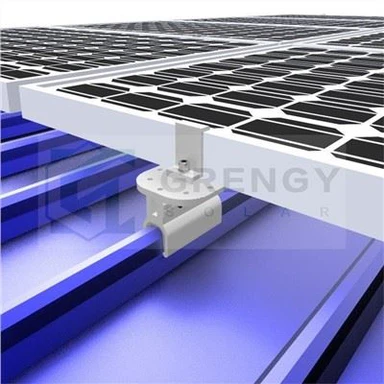
Vertical Panels: Benefit from natural shedding but may need reinforced mounting brackets in high-wind zones.