

How Many Mounting Brackets Does A Solar Panel Need
Jul 29, 2025
The number of mounting brackets required for solar panels depends on factors like panel size, roof type, and mounting system design. Below, we break down the key considerations and provide actionable recommendations to ensure a secure, efficient installation.
1. Basic Bracket Requirements
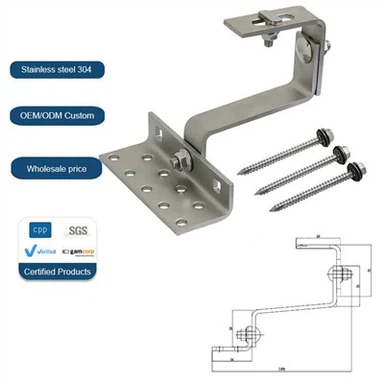
Solar mounting brackets typically include corner brackets, side brackets, rails, and clamps. The quantity varies based on:
Panel Dimensions: Larger panels (e.g., 400W) require more brackets for stability.
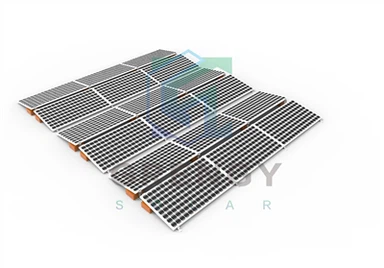
Roof Material: Tile, metal, or flat roofs demand different bracket types (e.g., non-penetrating clamps for tiles).
Mounting System:
Rail-Based: Uses rails and mid/end clamps.
Railless: Direct-mount brackets clamp onto panels or surfaces.
Example:
A 100W panel (39"x65") may need 4 corner brackets and 2 side brackets.
For a 400W panel (77"x154"), 6–8 brackets are typical to handle weight and wind resistance.
2. Key Factors Influencing Bracket Count
a. Panel Weight
Lightweight Panels (≤20kg): 4–6 brackets.
Heavy-Duty Panels (≥30kg): 8–12 brackets with reinforced rails.
b. Roof Slope and Wind Exposure
High-Wind Zones: Add 2–3 extra brackets per panel for stability.
Steep Roofs (≥30°): Use tilt mounts with additional brackets to prevent slippage.
c. Mounting System Type
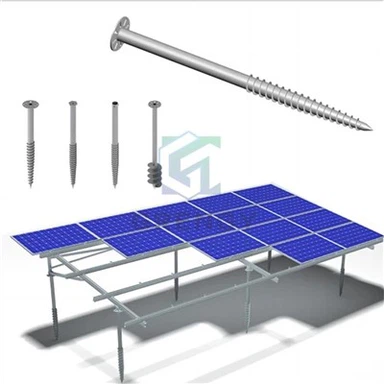
Ballasted Systems: Fewer brackets but require heavy weights (e.g., concrete blocks).
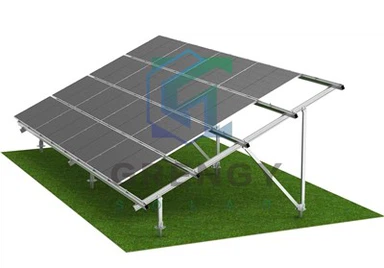
Fixed-Tilt Systems: More brackets for angle adjustability.
3. Common Bracket Types & Quantities
|
Bracket Type |
Quantity per Panel |
Best For |
|---|---|---|
|
Corner Brackets |
4 |
Standard panel edges |
|
Side Brackets |
2–4 |
Reinforce mid-panel stability |
|
Rail Clamps (Mid/End) |
2–4 per rail |
Rail-based systems |
|
Adjustable Tilt Brackets |
2–3 per panel |
Angled roofs or sun tracking |
4. Installation Best Practices
Surface Preparation: Clean surfaces thoroughly and remove debris, grease, or moisture.
Application: Follow manufacturer guidelines for adhesive thickness and curing time.
Reinforcement: Combine adhesive with mechanical fasteners (e.g., screws) for added security.
Weatherproofing: Seal edges with silicone or rubber gaskets to prevent water ingress.
5. Common Mistakes to Avoid
Overheating: Avoid using adhesives in direct sunlight without cooling periods.
Weak Bonds: Skipping surface primers or using incorrect adhesive types.
Improper Curing: Rushing installation before adhesive fully hardens.
6. Future-Proofing Your Solar Installation
Smart Adhesives: Explore self-healing or temperature-adaptive adhesives for dynamic environments.
Hybrid Systems: Combine adhesive with ballasted mounts for reduced roof penetration.