

What Is A Solar Farm? Costs, Pros, And Cons Explained
Dec 23, 2024
What is a solar farm?
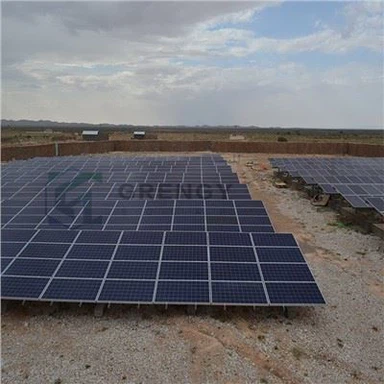
Solar farms are large-scale solar installations typically consisting of thousands of ground-mounted solar panels.
Using photovoltaic (PV) panels, solar farms harness the sun's energy and convert it into electricity sent to the electrical grid for distribution and consumption. Sometimes, solar farms use different solar technologies, like concentrated solar power systems, to generate electricity.
Solar farms can span for acres and are sometimes called solar power stations or solar parks. You can think of solar farms as a more environmentally friendly version of traditional fossil fuel power plants designed to generate large amounts of energy.
More details feel free to contact vivi byvivian@grengysolar.com
How do solar farms work?
Most solar farms use solar panels to turn sunlight into electricity. The sun's energy hits the surface of a solar panel and knocks electrons loose, creating an electrical current. Then, an inverter converts the electrical current into usable electricity for homes and businesses.
There are two main types of solar farms: utility solar and community solar.
Utility-scale solar farms are similar to other power plants that feed power directly onto the electric grid. Typically built by developers with long-term contracts, these massive solar arrays generate power to be sold at wholesale prices and sent along power lines to be distributed to customers. These installations can range from 1 megawatt (MW) to a whopping 2,000 MW and are some of the largest projects in the solar industry.

Community solar projects operate a bit differently. Typically sized at 5 MW or less, community solar farm projects are intended to provide power to subscribers or members who pay for a share of the system.
The solar energy used from this share is typically lower than the retail electric rate, providing subscribers with electricity bill savings. Community solar caters to renters and homeowners who cannot install solar or low-income residents interested in solar power.

How much does a solar farm cost?
utility-scale solar will cost an average of $0.98 per watt in 2025, not including the cost of purchasing land.
Thus, a 1 MW solar farm would cost a whopping $980,000. The largest solar power plant in the world, the Xinjiang Solar Park in China, is over 3,000 MW in capacity, meaning its costs would be in the billions!
Solar farm costs are more than just panels. Factors like location, labor, permitting, design, insurance, and taxes affect the price of installing large-scale solar farm projects.
Solar farm pros and cons
Solar farms come with plenty of benefits economically and environmentally but are also prone to some setbacks. The pros and cons of a solar farm are listed below:
Pros
Zero-emissions
Low operating costs
Cheaper power source
Increases solar accessibility
Renewable energy source
Flexible design and locations
Cons
Can impact surrounding area
Aesthetics
Intermittent energy source
High upfront cost
Advantages of solar farms
Zero-emissions: Solar farms are an excellent way to distribute electricity to the power grid without fossil fuels or releasing harmful emissions into the atmosphere like a typical power plant, contributing to the fight against climate change and reducing the carbon footprint.
Low operating costs: Solar farms are pretty self-sustainable and don't require as much maintenance or supervision as other power plants, leading to lower operating costs.
Cheaper power source: Generating electricity from solar is more cost-effective than other power sources, like fossil fuels or geothermal power.
Increases solar accessibility: There are solar farms dedicated to community solar programs that reach people who can't usually go solar, like renters or low-income homeowners.
Renewable energy source: Solar power is considered renewable because, unlike fossil fuels, it doesn't deplete the energy source as it is used.
Flexible design and locations: Rooftop solar is limited by the design of the home or business they're installed on, while solar farms have a little more flexibility in creating a system that ensures optimal solar production.
Disadvantages of solar farms
Can impact surrounding area: Since solar farms are so large, they can negatively affect the ecosystems in which they're installed. They could potentially impact the migration route of some animals or amplify the effects of erosion in the soil during installation.
Aesthetics: Solar farms take up vast acres of land, which some may consider an eyesore.
Intermittent energy source: Even if your solar farm is free of shade, the amount of energy solar panels produce is still weather-dependent. Energy production can be inconsistent due to the sun's intensity varying with location, time of year, and time of day.
High upfront cost: Although utility-scale solar has a lower cost per watt than residential solar, the sheer size makes a solar farm such a significant investment, reaching millions of dollars to build. Developers or contractors who don't prioritize solar as a power source might not be willing to invest in a project of this scale.