


Agrivoltaics: Dual Use Solar Projects
Dec 24, 2024

What Are The Benefits Of Combining Agriculture And Solar Energy in Dual Use Solar Projects?
Combining agriculture and solar energy through dual-use solar projects offers innovative solutions to address community concerns while fostering economic opportunities for local farmers and enhancing soil health.
Addressing Community Concerns
Many communities express hesitance about solar farm development due to concerns about losing productive farmland and the potential negative impacts on soil quality. Integrating food production with sustainable energy through dual use solar projects can help alleviate these concerns. By demonstrating that solar farms can coexist with agricultural production can significantly boost community support for solar developments.
Economic Opportunities From Agrivoltaics
The combination of agriculture and solar energy creates new economic opportunities for local farmers, beekeepers, and ranchers. For example, sheep grazing is increasingly popular on solar farms because it reduces mowing costs and minimizes herbicide use.
Solar grazing also prevents shading of photovoltaic panels, ensuring they remain efficient while enhancing land productivity. This mutually beneficial arrangement provides financial incentives for farmers while maintaining the operational efficiency of solar installations.
Research and Best Practices in Dual Use Solar Projects
Since agrivoltaics is a relatively new concept, ongoing research is crucial to establishing best practices and making these systems cost-effective on a larger scale. Many agrivoltaic projects foster relationships with academic and research institutions to explore innovative solutions and share knowledge.
These partnerships facilitate hands-on learning opportunities focused on crop productivity, soil health, and the creation of microclimates around solar panels. By understanding how to optimize both agricultural yield and solar energy generation, these projects can set a precedent for sustainable land use.
Promoting Soil Health
Integrating agriculture with solar energy can also improve soil health. Certain crops can be cultivated under solar panels, contributing organic matter back into the soil while utilizing the shade provided by the panels to thrive. This approach can help mitigate soil erosion and enhance overall soil structure, promoting a healthier eco system for both farming and solar energy production.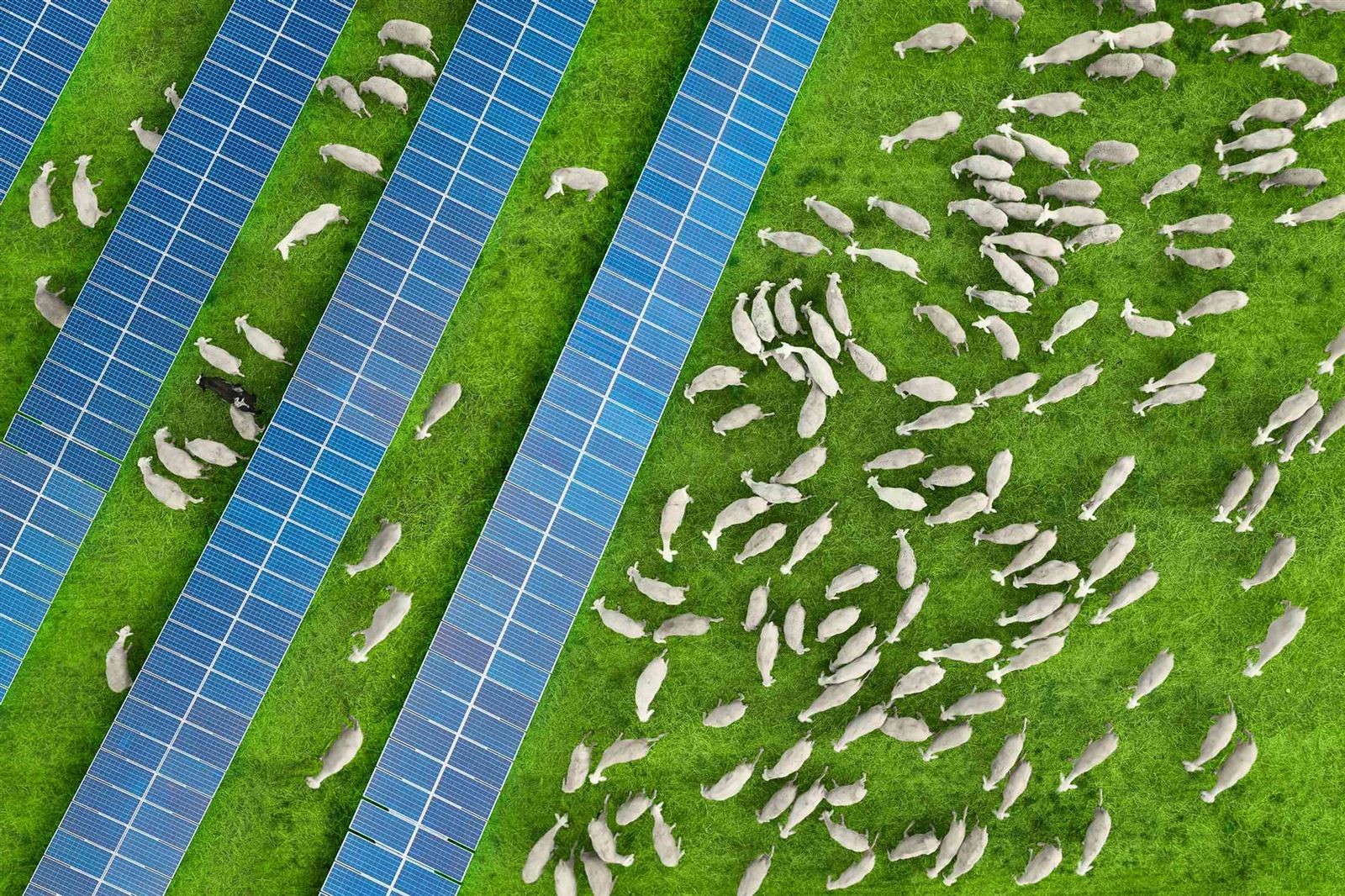
Potential Drawbacks Of Dual Use Solar Projects
Although they can provide benefits, dual use solar projects can present several challenges that need careful consideration.
Equipment Accessibility
One of the primary concerns is the difficulty for farmers to access agricultural equipment due to the presence of photovoltaic (PV) panels and racking systems on the land. Adjustments such as elevating the panels or increasing the spacing between rows could alleviate some accessibility issues. However, these modifications can lead to higher construction costs and may require additional land, making it a less feasible option for some farmers.
Water Availability
Agricultural production often necessitates access to water for livestock and irrigation, which can be problematic in certain regions. For instance, areas with arid conditions, such as parts of the Western U.S., may not be suitable for agrivoltaics due to limited water resources. Proper management strategies must be employed to ensure that both solar energy generation and agricultural needs are met.
Crop Suitability
Solar energy systems can create shade, which affects crop growth. Therefore, selecting the right crops is crucial, as some varieties are more tolerant of shaded conditions than others. Understanding which crops can thrive in partial shade is essential for the success of dual use projects, as improper crop selection may lead to reduced agricultural yields.
Soil Compaction and Quality
The construction and maintenance of solar arrays can adversely impact the land. Machinery used during installation can compact the soil, and in some cases, topsoil may be removed, degrading soil quality and hindering agricultural productivity. Maintaining soil health is critical for the success of agrivoltaics projects.
Liability Concerns
Solar developers may face liability issues related to granting access to agricultural equipment on solar farms. The risk of damage to solar photovoltaic panels, racking systems, conduit, or inverters due to equipment usage can result in decreased energy generation and increased repair costs. Balancing agricultural access with the protection of solar infrastructure is a significant challenge that requires careful planning.
Reducing Mowing Costs With Solar Grazing
Reducing mowing costs at solar farms by using sheep grazing is an innovative agrivoltaics application that offers several benefits. Grazing sheep can significantly cut down on the expenses associated with traditional mowing, including fuel, labor, and equipment maintenance. Sheep grazing helps maintain vegetation at manageable levels without the use of chemicals or fossil fuels, reducing the carbon footprint of the solar farm.
Collaborate with local farmers or shepherds who can provide the sheep and manage the grazing activities for this innovative approach to agrivoltaics. This can reduce the initial setup costs and leverage local expertise. Provide necessary infrastructure, such as water sources, shade, and shelter, to ensure the sheep's well-being.
Choose hardy breeds that are well-suited to the local climate and grazing conditions. Implement rotational grazing practices to allow vegetation recovery and maintain soil health. Regularly monitor the health of the vegetation and the sheep to ensure the system is functioning effectively. Adjust grazing intensity and duration based on vegetation growth and seasonal changes.
Agriculture on Solar Farms Produces Numerous Benefits
A considerable amount of farmland has been lost in the last few decades in the U.S., and this trend is likely to continue. Unfortunately, one of the many causes is solar farm development, but the use of agrivoltaics and solar farms is enabling agricultural and solar power production on the same plot of land.
Sheep grazing at solar farms is growing in popularity and is becoming somewhat widespread. Although the cultivation of crops on solar farms is relatively rare, researchers are examining ways to make it more common and cost-effective. In addition, some solar developers are using native groundcovers and landscape buffers to help promote pollinator habitat.