


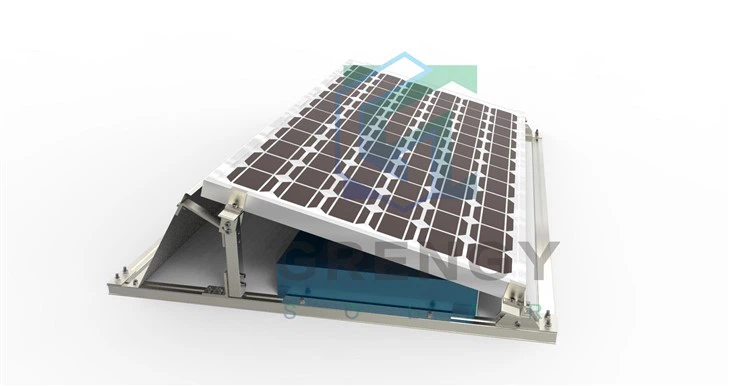


Roof Rack Mounted Solar Panel
Material: Aluminum 6005-T5 & HDG or ZAM Steel
Max Wind Load: According to the projects request
Max Snow Load: According to the projects request
Solar Module Orientation: Portrait or Landscape
Application:Ground or Flat Roof
Pre-assembled parts at the factory, fast and easy to install
OEM & Sample: Available
- Fast Delivery
- Quality Assurance
- 24/7 Customer Service
Product Introduction

who choose us?
Grengy is a well-known manufacturer specializing in the production of photovoltaic brackets, with rich experience and excellent reputation in the photovoltaic field.Our factory is equipped with advanced production equipment and technology. From the selection of raw materials to the manufacturing of finished products, quality is strictly controlled in every step.
one-stop solution
professional team
high quality
For more details, pls email:rukin@grengysolar.com
Roof-rack-mounted solar panels do require some special maintenance to ensure their optimal performance and longevity. Here's a detailed look at what's involved:
1. Panel Cleaning
Dust and Debris: Over time, dust, dirt, leaves, and other debris can accumulate on the surface of the solar panels. This can reduce the amount of sunlight that reaches the photovoltaic cells and thus decrease the energy output. Regular cleaning is essential, especially in areas with high levels of airborne particulate matter or near trees.
Cleaning Frequency: The frequency of cleaning depends on the local environment. In a dry, dusty area, panels may need to be cleaned more often, perhaps every few months. In a relatively clean environment, an annual cleaning might be sufficient.
Cleaning Method: Use a soft brush or a squeegee with a mild detergent and water solution to gently clean the panel surface. Avoid using abrasive materials that could scratch the panels and damage the anti-reflective coating. It's also important to clean the panels during cooler times of the day, such as early morning or late afternoon, to prevent rapid drying of the cleaning solution, which could leave streaks.
2. Inspection of the Rack System
Mechanical Integrity: Regularly inspect the roof - rack for any signs of damage, such as bent or loose components. The rack must withstand the elements, including wind, snow, and temperature fluctuations. Check for any signs of corrosion, particularly if the rack is made of metal. In the case of aluminum racks, look for signs of pitting or discoloration, and for steel racks, check for rust.
Fasteners and Connections: Tighten any loose bolts, nuts, or other fasteners. Loose connections can cause the rack to become unstable and affect the alignment of the solar panels. Also, check the integrity of the mounting brackets that hold the panels to the rack. Make sure they are securely attached and not showing any signs of wear or fatigue.
3. Electrical System Checks
Wiring and Connectors: Inspect the electrical wiring that connects the solar panels. Look for any signs of fraying, cracking, or exposed wires. Connectors should be clean and free of corrosion. Any damaged wiring or connectors can lead to a loss of power or even a safety hazard, such as an electrical short - circuit.
Monitoring Output: Use a monitoring system to track the energy output of the solar panels. A significant decrease in output could indicate a problem, such as a damaged panel, a faulty connection, or shading issues. Some modern solar panel systems come with built-in monitoring software that allows homeowners or technicians to remotely check the performance of the panels.
4. Shading and Vegetation Management
Shading: Ensure that there is no new shading on the solar panels. This could be caused by the growth of nearby trees, the installation of new structures, or the accumulation of snow or ice. Even a small amount of shade on a portion of a panel can significantly reduce the overall energy output of the entire array.
Vegetation: Trim any overhanging branches or vegetation that could potentially fall onto the panels or rack system. Vegetation can also attract pests, which may damage the panels or the wiring.
5. Roof Maintenance
Roof Condition: Keep an eye on the condition of the roof itself. Any leaks or damage to the roof could affect the performance of the solar panel system and potentially lead to water damage to the panels or the rack. If roof repairs are needed, special care must be taken to avoid damaging the solar panel installation.
Roof Clearance: Ensure that there is proper clearance around the base of the rack system to allow for proper drainage and to prevent water from pooling around the racks. This is especially important for flat - roof installations.

Hot Tags: roof rack mounted solar panel, suppliers, factory, customized, custom, buy, L Feet


