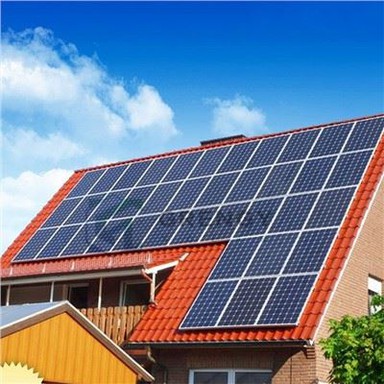




Flat Roof Solar Racking Systems
Items:Ballasted Roof Mounting Kits
Material: Aluminum
Tilt angle range: 5/10/15
Max wind load: 40m/s
Max snow load: 2kn/m²
Advantages: Adapting to multiple angles
Lead Time: 7-10 days
OEM: Acceptable
Sample: Available
- Fast Delivery
- Quality Assurance
- 24/7 Customer Service
Product Introduction

who choose us?
Grengy is a well-known manufacturer specializing in the production of photovoltaic brackets, with rich experience and excellent reputation in the photovoltaic field.Our factory is equipped with advanced production equipment and technology. From the selection of raw materials to the manufacturing of finished products, quality is strictly controlled in every step.
one-stop solution
professional team
high quality
For more details, pls email:rukin@grengysolar.com
Flat roof solar racking systems are designed specifically for installing solar panels on flat or low-slope rooftops. Here are the key aspects:
Types
- Ballasted Systems
- Mechanism: These are the most common type for flat roofs. They rely on heavy weights, such as concrete blocks or metal plates, to keep the solar panel array stable. The ballasts are placed on a mounting structure, which in turn holds the solar panels. This non-penetrative approach is highly advantageous as it doesn't risk causing roof leaks, a major concern with flat roof installations.
- Advantages: Installation is relatively straightforward since there's no need to drill into the roof. It also preserves the roof warranty, as the integrity of the roof membrane remains intact. Additionally, ballasted systems can be adjusted or relocated more easily compared to some other types.
- Disadvantages: They require sufficient space on the roof to accommodate the ballasts. In high-wind areas, extremely large or additional ballasts may be needed to prevent the entire structure from toppling, which can add to the cost and take up more roof real estate.
- Penetrative Systems
- Mechanism: As the name suggests, these systems involve drilling holes into the flat roof to anchor the solar panel mounts. Special sealants and flashing are then used to make the penetration points watertight. Bolts or screws are inserted through the roof deck and into the underlying structure, like the building's rafters or joists.
- Advantages: They can offer a more secure attachment, especially in very windy or seismic regions. In some cases, they may also be more aesthetically pleasing as they don't require bulky ballasts on the roof surface.
- Disadvantages: There's a risk of roof leaks if the penetration points aren't properly sealed. Installation is more complex, often requiring professional roofers to ensure the waterproofing is done correctly. And any future maintenance or repair work on the roof may be hampered by the presence of these penetrations.
Adhesive Systems
- Mechanism: These use strong adhesives to bond the solar panel mounts directly to the flat roof surface. The adhesives are formulated to withstand outdoor environmental conditions, including temperature variations, moisture, and UV radiation.
- Advantages: They provide a clean, unobstructed look on the roof since there are no ballasts or visible penetrations. Installation can be quick, especially for smaller systems.
- Disadvantages: The long-term durability of the adhesives can be a concern, especially in harsh climates. If a panel needs to be removed or repositioned, it can be difficult and may damage the roof surface.
Components
- Mounting Rails: Usually made of aluminum or galvanized steel, these rails serve as the base for attaching the solar panels. They are designed to be strong, corrosion-resistant, and may come with features for adjusting the panel tilt angle.
- Brackets: Connect the rails to either the ballasts, penetrative anchors, or adhesive mounts. Brackets can be adjustable to ensure proper alignment of the panels and to account for different panel sizes.
- Clamps: These are used to firmly secure the solar panels to the rails. They are adjustable in most cases to fit various panel thicknesses.
Considerations
- Roof Load Capacity: Flat roofs have a limited weight-bearing capacity. Before installation, it's crucial to assess whether the roof can support the combined weight of the solar panels, racking system, and any additional ballasts. A structural engineer may need to be consulted for larger installations.
- Sunlight Angle: Since flat roofs don't have an inherent slope, it's important to either choose a racking system that allows for panel tilt adjustment or use a system with optimized spacing to minimize shading between panels, to maximize sunlight capture.

Hot Tags: flat roof solar racking systems, suppliers, factory, customized, custom, buy, L Feet