

Closing The Reality Gap: Optimizing Solar Plant Performance By Mitigating Shadow Loss
Feb 18, 2022
The utility solar industry has an untold secret, at least a murky one, but sources say: A large percentage of solar plants are underperforming. The recently released “Solar Generation Report 2021” revealed the following: Through a kilowatt-hour analysis (one of the industry’s most comprehensive energy verification studies based on asset owner data), “over 30% of U.S. of non-residential systems compared actual production with financing. P50 estimates (target yields) from 2011 to 2020 found that systems also performed an average of 5-13% lower in any given year, even after adjusting for weather. "
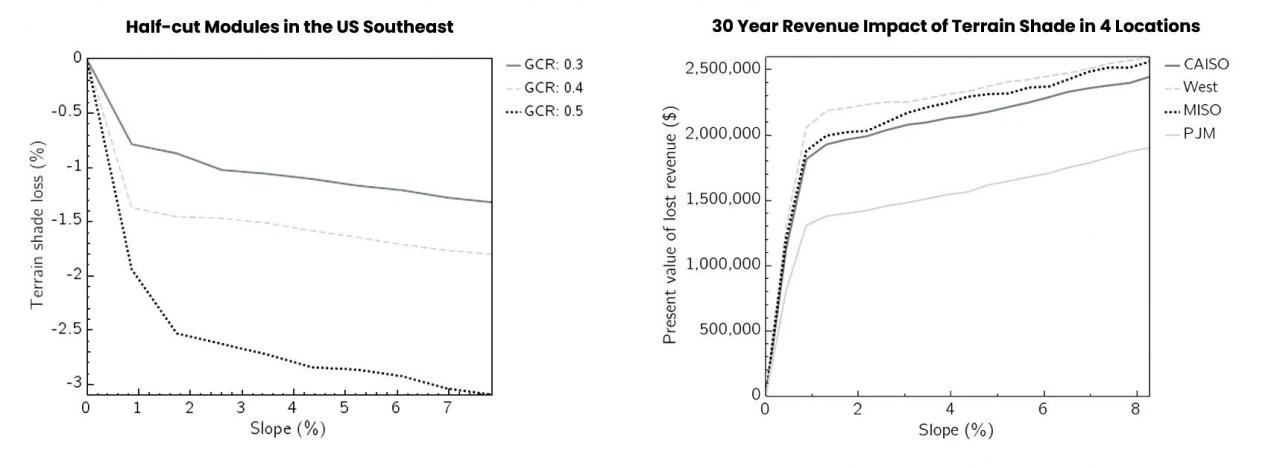
Over the life of a large solar asset, terrain shading loss can result in lost production and millions of dollars in lost revenue.
As disturbing as these statistics are, they do not necessarily mean that solar power plants are not working, but rather that the gap between expected and measured performance has widened. The question is how to determine these P50 estimates. These models are not as accurate as they should be, making asset owners unrealistic expectations of actual plant performance. Thankfully, there are ways to close the "expect-versus-measure" gap and mitigate some of the root causes of underperformance.
One way to better align modeling expectations with actual field performance is to address terrain shading loss. The root causes of utility solar shading losses can be broken down into several areas:
• undulating terrain
• Construction tolerances resulted in a non-planar height of the interrow tracker foundation
• Shadows near trees, nearby mountains, and other features on site boundaries
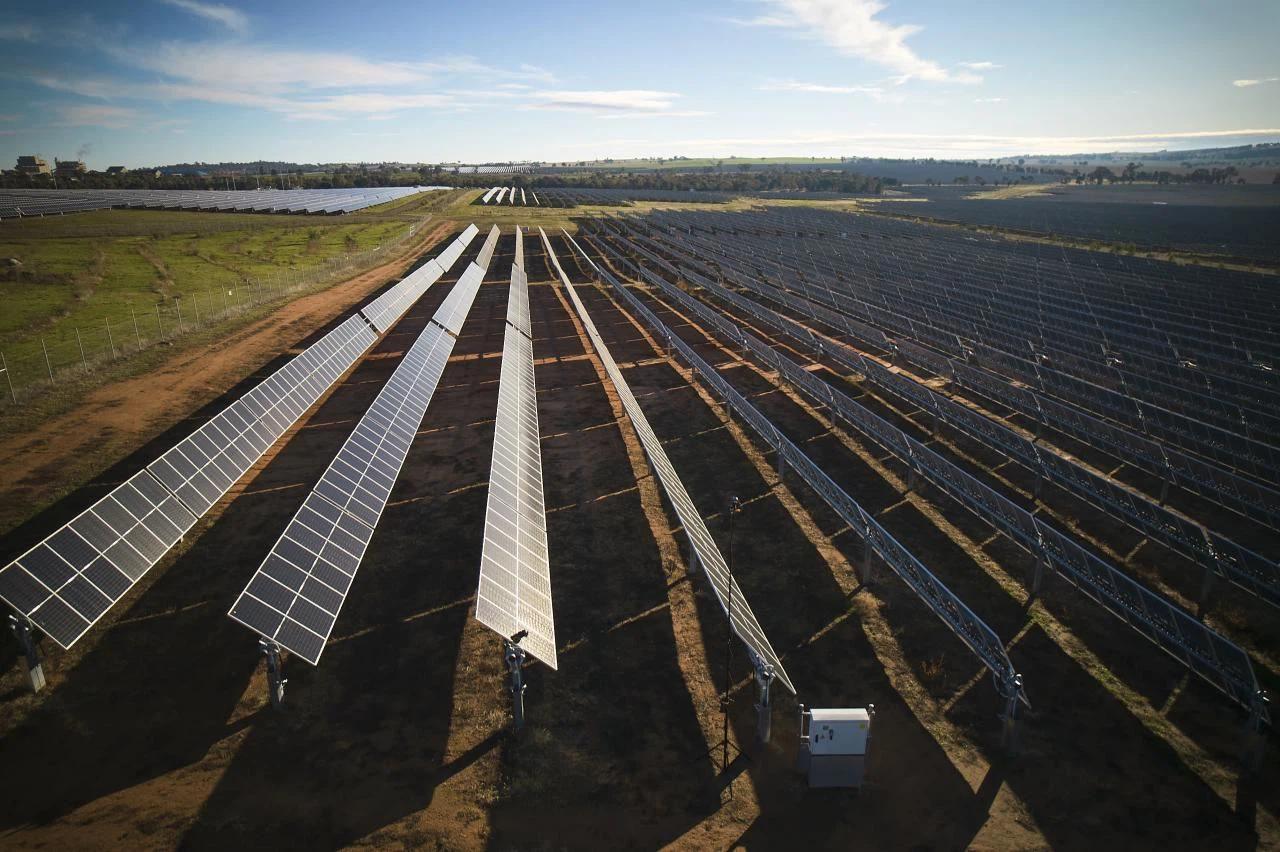
As with any disturbing fact, one must first acknowledge that there is a problem. Will there be shadows on utility solar plants, and will it affect power generation? Yes, almost all solar power plants have shading losses. These shadowing issues could ultimately lead to a loss of several percentage points in full-year generation -- and significantly dent the projected financial performance of the plant assets.
Our recommended practice for shadow modeling is to support file formats exported from CAD-based tools to simulate the performance impact of terrain on single-axis trackers - and then provide a more accurate and detailed picture of shadow loss.
Contact us for more solar mounting solutions.