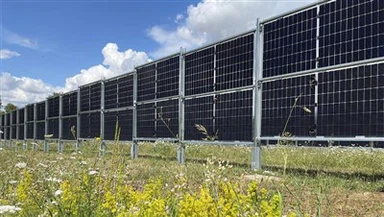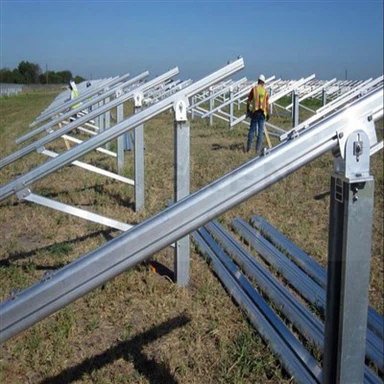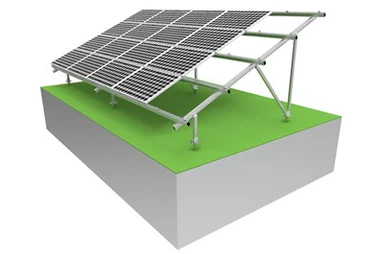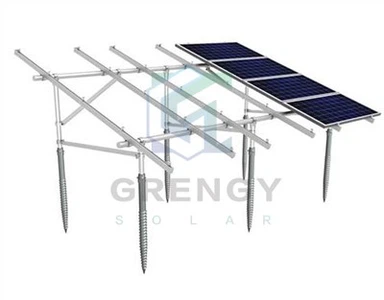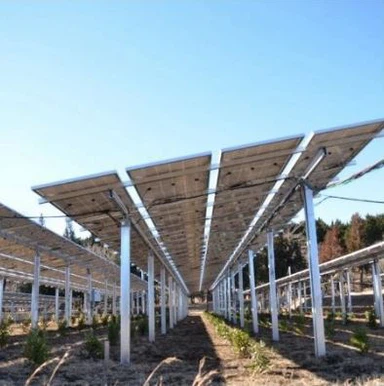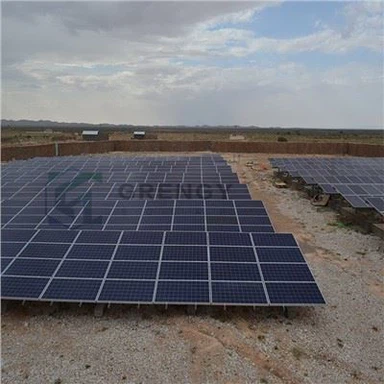




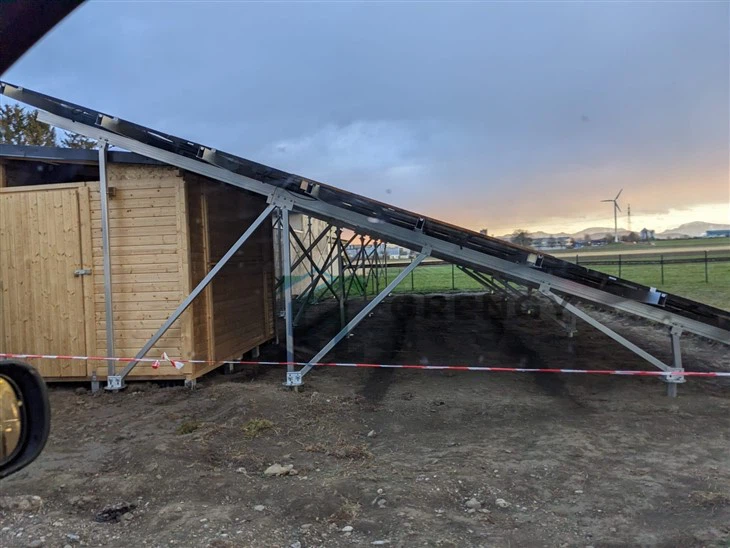
PV Ground Mount Structure
Material: Aluminum 6005-T5 & HDG or ZAM Steel
Max Wind Load: According to the projects request
Max Snow Load: According to the projects request
Solar Module Orientation: Portrait or Landscape
Application:Ground or Farm
Pre-assembled parts at the factory, fast and easy to install
OEM & Sample: Available
- Fast Delivery
- Quality Assurance
- 24/7 Customer Service
Product Introduction
Xiamen Grengy Photovoltaic Technology Co., Ltd
Founded in 2007. It has a professional R&D team and 150 employees. Specializing in PV products like ground and roof brackets, it offers customized solutions. With business in over 100 countries, it holds multiple patents and certifications such as UL, TUV, CE, being a leading exporter.
Professional team
Our professionals have in-depth knowledge and rich experience in the field of photovoltaic technology, enabling the company to keep up with the international advanced level in product R & D and innovation
Certifications and Standards Compliance
The company's reputation is enhanced by its compliance with a wide range of international and domestic certifications. Having successfully passed UL, TUV, CE, CQC, SAA, AS/NZS1170

1000+
Projects completed
100+
Exported Countries
10GW+
Total Installed Capacity
60+
Patents
For more details,pls email:rukin@grengysolar.com
There are several types of PV ground mount structures, each with unique characteristics and uses:
1. Fixed - Tilt Ground Mounts
- Structure: These are the simplest and most common PV ground mount structures. Comprising a metal frame, usually made of steel or aluminum, the panels are fixed at a set angle, often optimized for the local latitude. The frame is anchored to the ground via concrete footings, helical piles, or other ground penetration methods.
Use:
- Residential Installations: Homeowners with sufficient yard space can use fixed-tilt ground mounts to generate electricity for household use. It's a cost-effective way to offset utility bills, and the straightforward design means lower installation and maintenance costs. For example, in a suburban property, a small array of fixed-tilt panels can be installed on an unused corner of the lot.
- Small-Business and Agricultural Settings: Farms and small local businesses can take advantage of fixed-tilt mounts to reduce their electricity expenses. In an agricultural operation, it can power equipment like water pumps or lighting in barns, providing a reliable and clean energy source.
- Large - Scale Solar Farms: Utility-scale solar projects also frequently employ fixed - tilt ground mounts. Their simplicity allows for rapid and efficient installation of vast arrays of panels, making them suitable for mass electricity generation that feeds into the grid.
2. Single - Axis Tracking Ground Mounts
- Structure: Single-axis tracking ground mounts have a mechanism that enables the solar panels to pivot along one axis, typically following the east-west movement of the sun throughout the day. This movement requires additional components like motors, gears, and a control system to adjust the panel angle continuously.
Use:
- Commercial and Industrial Facilities: Factories, warehouses, and data centers have high electricity demands. Single-axis tracking ground mounts can increase the amount of solar energy they capture, reducing their grid reliance. Given their relatively higher energy yield compared to fixed-tilt systems, they help these facilities meet sustainability goals more efficiently.
- Mid-to-Large-Scale Solar Projects: In solar projects larger than residential but smaller than utility-scale, single-axis tracking offers a good balance between cost and enhanced energy production. They can generate around 25-30% more electricity than fixed-tilt systems, depending on the location.
3. Dual-Axis Tracking Ground Mounts
- Structure: The most complex of the ground mount structures, dual-axis tracking systems allow panels to move along two axes-both horizontally (east-west) and vertically (north-south). This precise tracking demands sophisticated control systems, motors, and sensors to ensure the panels are always perpendicular to the sun's rays.
Use:
- High-Efficiency Research or Premium Energy Projects: Research facilities focused on maximizing solar energy conversion efficiency often utilize dual-axis tracking ground mounts. In high-end commercial projects, like luxury resorts or high-tech campuses where space is limited and maximizing energy capture is crucial, these mounts are also a popular choice. However, their high cost of installation and maintenance limits their widespread use.
4. Ballasted Ground Mounts
- Structure: Instead of being dug into the ground, ballasted ground mounts rely on heavy weights, typically concrete blocks, to keep the PV structure stable. This makes them suitable for installations on flat rooftops or areas where ground penetration is restricted, such as on some commercial buildings with sensitive roofing membranes.
Use:
- Commercial Rooftop Installations: Many large commercial buildings have flat roofs that are perfect candidates for ballasted ground mount PV systems. By avoiding roof penetration, they preserve the integrity of the roof while enabling the building to generate clean energy.
- Urban Installations: In urban areas where land is scarce, ballasted ground mounts can be used on flat, unused areas like parking lots or industrial yards, providing local power generation without the need for ground disturbance.

Hot Tags: PV Ground Mount Structure, suppliers, factory, customized, custom, buy, Single Pole Mounting System, Single Row Solar Mounting System