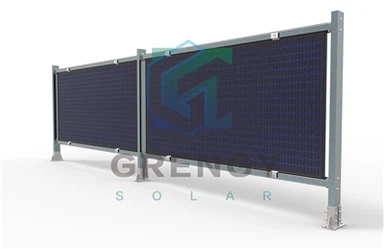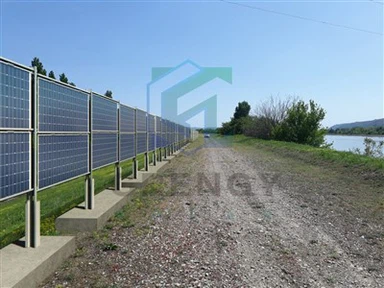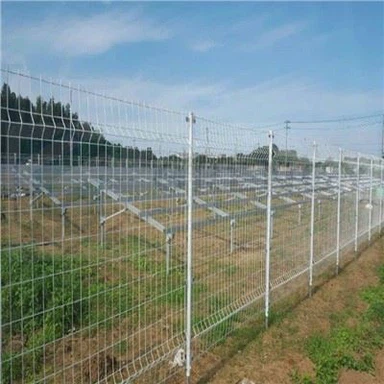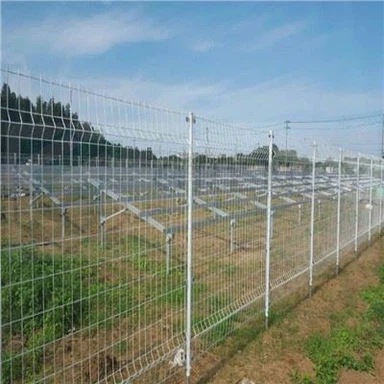




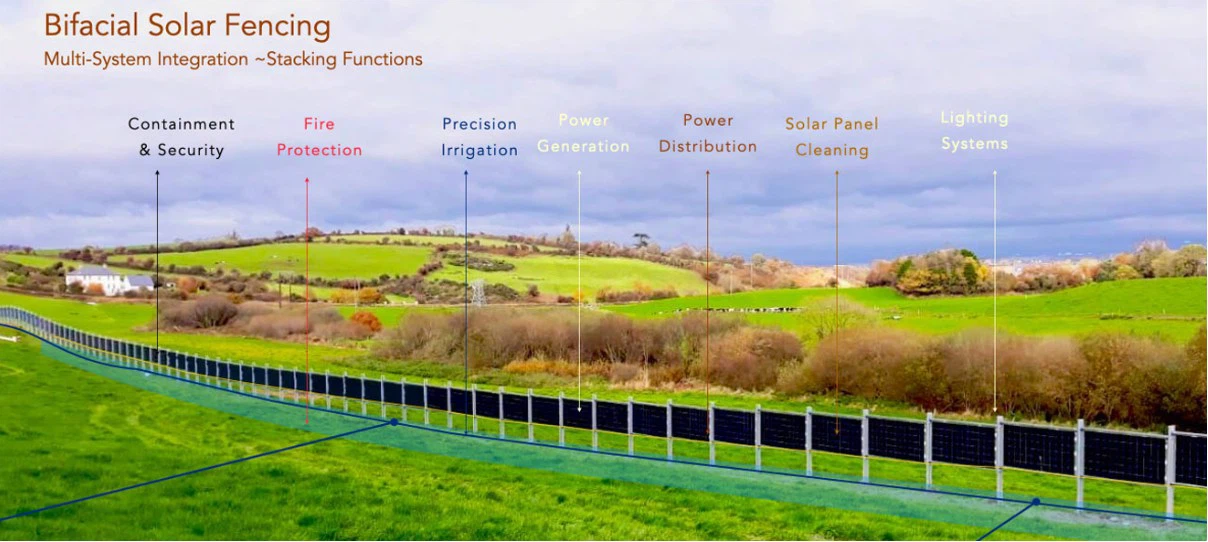
BIFACIAL SOLAR FENCING DYNAMIC DESIGN POTENTIAL
Material: Aluminum 6005-T5/ Hot-dip Galvanized Steel /ZAM Plating
Max Wind Load : 60 m/s
Max Snow Load : 1.4 KN / M²
Solar Module Orientation: Portait or Landscape
Distance from ground:0.6 - 1.0m
Total height:3m approx.
Row spacing:between rows 10-15 m
Application:Ground
- Fast Delivery
- Quality Assurance
- 24/7 Customer Service
Product Introduction
Vertical solar fence photovoltaic systems : a new dimension for harnessing solar energy
1. Higher comprehensive utilization rate of solar energy hashtag #highefficiency
Higher comprehensive utilization rate of solar energy hashtag#highefficiency
Due to the overall optical properties of the packaging glass and components, about 5% of the light shining on the components will inevitably be reflected off. When the component is installed at an inclined Angle, this part of the light is reflected into the sky, resulting in wasted energy and even light pollution. However, in a vertical photovoltaic system, some of the light is reflected to nearby plants or other photovoltaic arrays for reuse.
2.Optimize space use
In densely populated urban areas, horizontal space is often limited. Vertical solar installations take advantage of otherwise unused vertical surfaces such as the sides of buildings, noise barriers along highways, and other structures, thereby increasing the overall capacity of solar power generation without requiring additional land. From the perspective of projection area, compared with conventional inclined installation, vertical installation mode components occupy a positive and low area, which greatly improves the space utilization rate. And the vertical system construction does not need to change the terrain, can better play the original economic attributes of the land (such as agricultural and animal husbandry land), and maximize the value of solar power generation and the value of the land itself.
3. Reduce shading problems
In urban environments, shading from nearby buildings, trees, or other structures can significantly affect the performance of solar panels. Vertical installation can alleviate these shading issues by placing the panel in a position where it is less likely to be blocked.
4. Easy to maintain
Vertically mounted panels are generally easier to clean and maintain because they are less prone to accumulating dust, debris, and snow than horizontally mounted panels. Vertical installation prevents dust and dust accumulation of the components (especially at the bottom), eliminating the need for frequent cleaning, reducing power generation losses and increasing reliability of the PV modules while reducing operation and maintenance costs. In addition, in extremely cold areas and cold seasons, vertical installation can avoid snow cover, both to minimize the loss of power generation, and to avoid the risk of mechanical load failure caused by excessive snow.
For more details,feel free to email:vivian@grengysolar.com


Hot Tags: bifacial solar fencing dynamic design potential, suppliers, factory, customized, custom, buy, Fence for Solar Mount System, PV Solar Fence, Solar Fencing, Fence for Solar Farms