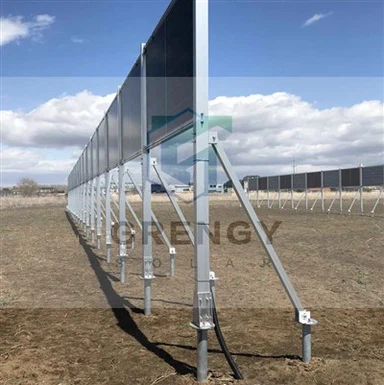




Ramming Piles Ground Solar Mounting Structures
Item:Grengy ZAM Steel /HDG Ground Structure Systems
Tilt Angles:5°-60°
Material:AL6005-T5&SUS304&Q235B
Lead Time: 7-10 days
OEM & Sample: Available
Application:Utility-scale
- Fast Delivery
- Quality Assurance
- 24/7 Customer Service
Product Introduction
Grengys is a professional manufacturer of solar mounting systems for over 17 years with a total installed capacity of 10GW plus.
Providing a wide range of customization options from ground mounting systems to rooftop mounting systems.OEM is available.
For more details,pls email:rukin@grengysolar.com
In the dynamic realm of renewable energy, solar power has emerged as a leading contender for a cleaner and more sustainable future. While solar panels often take the spotlight, the crucial role of solar mounting structures shouldn't be underestimated. These structures serve as the unsung heroes, providing the essential foundation that secures solar panels in place. This seemingly mundane component, however, has a significant impact on the stability, efficiency, and longevity of the entire solar power system.
The Significance of Solar Mounting Structures
As we delve into the world of solar energy, it's essential to understand the pivotal role that mounting structures play. These structures serve as the bedrock for solar panels, ensuring their optimal positioning to capture sunlight and convert it into usable energy. A well-designed and sturdy mounting system can amplify the overall performance of solar panels, directly influencing the efficiency and effectiveness of the entire solar power setup.
Key Factors Influencing Material Choice
When it comes to selecting the ideal materials for solar mounting structures, several factors come into play. These factors collectively determine the structure's durability, stability, and reliability, all of which are critical for the success of the solar installation.
1. Durability and Longevity: The chosen materials must withstand the test of time and diverse environmental conditions, including rain, wind, snow, and unrelenting UV radiation.
2. Weight and Load Capacity: Beyond aesthetics, the materials must possess the strength to bear the weight of solar panels while adhering to safety standards.
3. Corrosion Resistance: Particularly in humid or coastal areas, materials with resistance to rust and corrosion are paramount to ensure the prolonged integrity of the structure.
4. Ease of Installation: Some materials are more cooperative during the installation process, leading to smoother and more efficient implementation.
5. Cost-effectiveness: While costs are a valid consideration, it's crucial to strike a balance between initial expenses and the long-term savings afforded by durable materials.
Common Materials for Solar Mounting Structures
Several materials find common use in solar mounting structures, each offering distinct advantages:
1. Galvanized Steel: Renowned for its durability, galvanized steel is a popular choice owing to its resilience against diverse environmental conditions.
2. Aluminum: Characterized by its lightweight nature and corrosion resistance, aluminum is a versatile option that suits a range of environments.
3. Stainless Steel: Highly resistant to corrosion, stainless steel finds its niche, particularly in installations located in coastal regions.
4. Composite Materials: Innovations in composite materials present a compelling blend of strength and durability, opening new avenues for solar installations.
Considering Different Environments
The choice of solar mounting structure materials may vary based on the environmental conditions of the installation site:
1. Coastal Areas: In regions adjacent to the coast, the materials must be resilient to combat the corrosive effects of saltwater exposure.
2. High-Wind Areas: Areas susceptible to strong winds necessitate materials that can endure these forces without compromising the stability of the system.
3. Snow-Prone Regions: Materials capable of bearing heavy snow loads are indispensable to ensure the safety and functionality of the installation.
Optimizing Solar Panel Performance
The choice of materials significantly influences the performance of solar panels:
1. Tilt and Angle: The right materials contribute to achieving the optimal tilt and angle for solar panels, maximizing their exposure to sunlight.
2. Panel Cooling: Certain materials possess the ability to dissipate heat, preventing solar panels from overheating and thereby enhancing their efficiency.
3. Minimizing Shading: The design and layout of the materials can minimize shading between panels, ensuring consistent energy production.
Sustainability and Environmental Considerations
Sustainability looms large when choosing solar mounting structure materials:
1. Recyclability: Opting for recyclable materials aligns with eco-friendly values, reducing waste and contributing to greener energy solutions.
2. Carbon Footprint: Selecting materials with lower production emissions complements the goal of establishing more environmentally conscious energy systems.
Long-Term Considerations and Maintenance
The materials chosen exert a significant influence on maintenance requirements and long-term costs:
1. Reduced Maintenance: Robust materials generally demand less maintenance, resulting in substantial long-term cost savings.
2. Longevity: The choice of materials directly dictates the overall lifespan of the solar panel system.

Projects:

Hot Tags: ramming piles ground solar mounting structures, suppliers, factory, customized, custom, buy, Single Row Solar Mounting System, Single Pole Mounting System