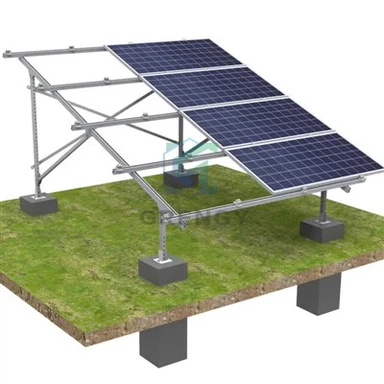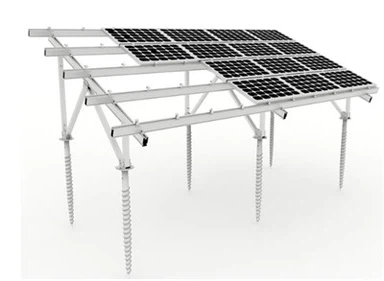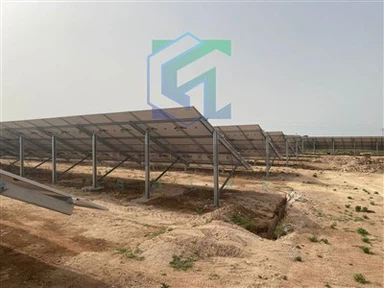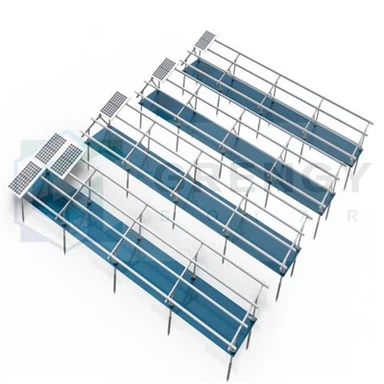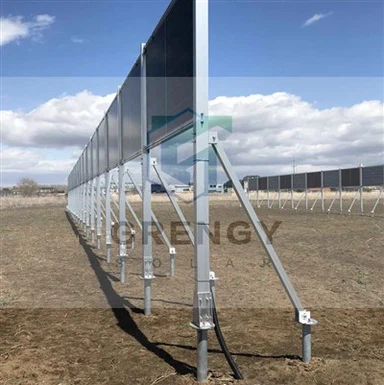


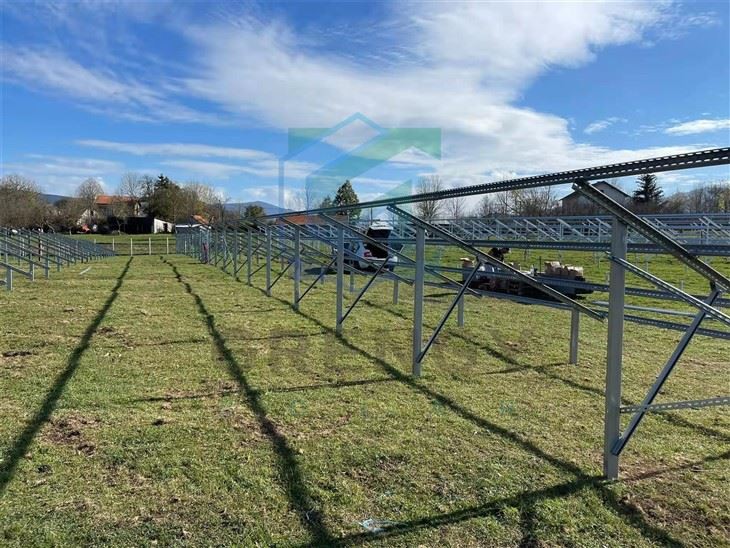


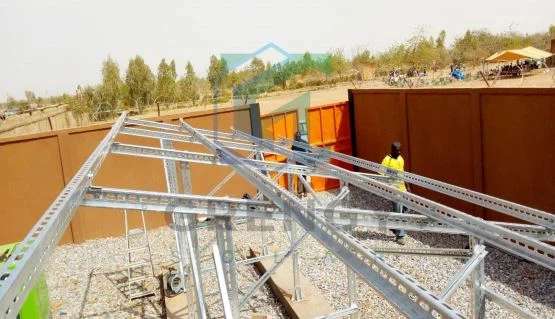


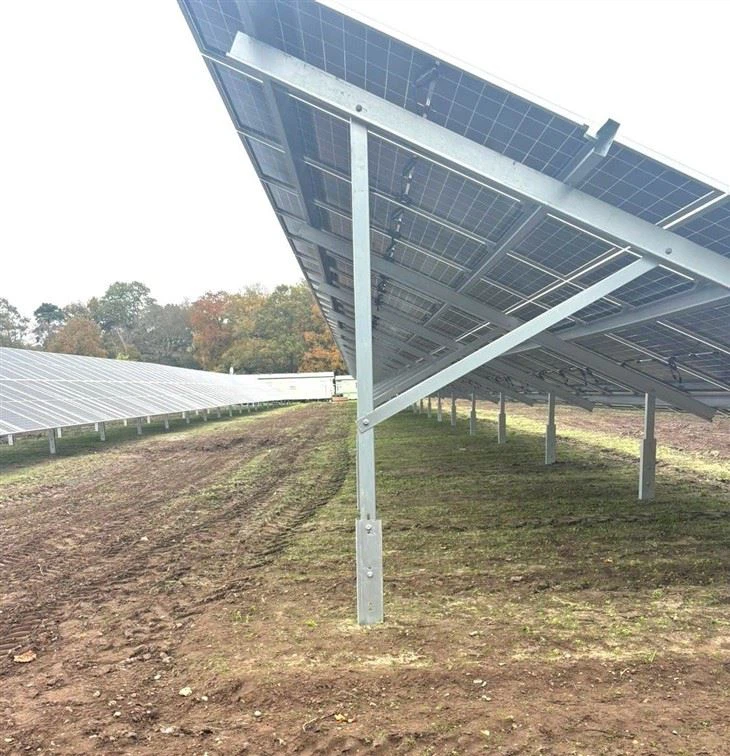
Ground Mounted Solar Structure Design
Material: Aluminum 6005-T5 & HDG or ZAM Steel
Max Wind Load: According to the projects request
Max Snow Load: According to the projects request
Solar Module Orientation: Portrait or Landscape
Application:Ground or Farm
Pre-assembled parts at the factory, fast and easy to install
OEM & Sample: Available
- Fast Delivery
- Quality Assurance
- 24/7 Customer Service
Product Introduction
some statistics about us you must know
Choose the mounting solution that suits you best.
17+
Years of experience
36
%
TECHNICIANS & WORKERS
1000
+
SATISFIED CUSTOMERS
1000+
completed projects
Ground-mounted solar structures from Grengy Solar are likely designed with several key considerations in mind:
1. Structural Integrity
- Material Selection: They probably use high-quality steel or aluminum alloys. Steel offers excellent strength and durability, capable of withstanding harsh weather conditions like strong winds, heavy snow, and even seismic activity. Aluminum, on the other hand, is lighter, which can be beneficial for ease of installation and transportation, while still providing sufficient rigidity for panel support.
- Load-Bearing Capacity: The design calculates the maximum load that the structure will need to bear. This includes not only the weight of the solar panels themselves but also any additional forces from snow accumulation, ice, or maintenance personnel walking on the structure. For example, in regions with heavy snowfall, the mounts are engineered to hold several inches of snow without buckling.
2. Adaptability to Terrain
- Slope and Uneven Ground: Grengy Solar's ground mounts are likely designed to be adjustable. In hilly or uneven terrains, the legs of the structure can be individually lengthened or shortened to ensure that the solar panels remain perfectly level. This leveling is crucial as it maximizes the efficiency of the panels by keeping them at the optimal angle for sunlight absorption.
- Soil Types: Different soils have varying load-bearing capabilities. The mount design may account for sandy, loamy, or clay soils. For softer soils, wider footings or helical piles might be incorporated to prevent the structure from sinking over time.
3.Sunlight Tracking (Optional)
- Some of their advanced ground-mounted designs could incorporate single-axis or dual-axis tracking systems. Single-axis tracking allows the panels to follow the sun's east-west movement throughout the day, increasing energy capture by up to 25 - 30% compared to fixed-tilt panels. Dual-axis tracking, which is more complex and costly, enables the panels to track the sun both horizontally and vertically, further optimizing sunlight absorption at different times of the day and seasons.
4. Installation and Maintenance Ease
- Modular Design: The structures are likely modular, meaning they can be easily assembled on-site. This simplifies the installation process, reduces the need for specialized equipment, and cuts down on installation time. Pre-drilled holes, bolted connections, and clearly labeled parts also contribute to straightforward assembly.
- Accessibility: For maintenance, the design provides easy access to the solar panels, inverters, and wiring. There may be walkways or platforms integrated into the structure, allowing technicians to safely reach all components for cleaning, inspection, and repair.
5. Corrosion Resistance
- Given that solar structures are exposed to the elements for decades, Grengy Solar's designs most likely incorporate corrosion-resistant coatings. Zinc or aluminum coatings on steel parts can prevent rust formation, ensuring a long lifespan for the ground-mounted solar structure.
Choosing the right ground-mounted solar panel mount involves considering several factors:
1. Site and Terrain
Slope:
- For flat ground, a fixed-tilt mount is often sufficient and cost-effective. It's simple to install and maintain. However, if your site has a slope, adjustable mounts are a better choice. They can be angled to ensure the solar panels are perpendicular to the sun's rays, maximizing energy absorption. Some adjustable mounts can handle slopes up to 30 degrees or more.
- In hilly or uneven terrains, you may need a custom-engineered solution with telescoping legs or modular components that can be adjusted individually to create a level platform for the panels.
Soil Type:
- Sandy soils have poor load-bearing capacity. In such cases, mounts with wider footings or helical piles are recommended. Helical piles, which are screw-like structures, can be screwed deep into the ground to provide a stable anchor.
- Clay or loamy soils are more cohesive, but if they get waterlogged, they can also pose challenges. Look for mounts with drainage features or those designed to resist soil movement.
2. Climate and Weather Conditions
Wind Load:
- If your area is prone to high winds, choose mounts made of sturdy materials like thick-gauge steel. The mount's design should also have a low profile and proper bracing to reduce wind resistance. Check the manufacturer's wind load rating, which indicates the maximum wind speed the mount can withstand without damage.
Snow Load:
- In snowy regions, opt for mounts that can support the weight of accumulated snow. A mount with a steeper tilt angle (around 30 - 45 degrees) can help snow slide off more easily, preventing excessive weight buildup on the panels. Some mounts also have built-in snow guards to manage snow shedding.
Corrosion:
- Coastal areas or regions with high humidity expose the mounts to corrosive elements. Aluminum or stainless-steel mounts, or steel mounts with high-quality anti-corrosion coatings like zinc-galvanized finishes, are ideal for such locations.
3. Panel Quantity and Configuration
Size of the Array:
- If you plan to install a large number of panels, modular and scalable mounts are essential. They allow you to expand the solar array over time. Some manufacturers offer kits that can be easily combined to accommodate growing energy needs.
Panel Dimensions:
- Different solar panels come in various sizes. Make sure the mount you choose has the correct spacing and clamping mechanisms to fit your specific panel models snugly. Mismatched mounts and panels can lead to installation difficulties and reduced efficiency.
4. Budget
Initial Cost:
- Fixed-tilt mounts generally have a lower upfront cost compared to tracking mounts. If cost is a major constraint and your site has relatively consistent sunlight throughout the day, a fixed-tilt option can still provide good energy returns.
Long-Term Savings:
- While tracking mounts are more expensive initially, they can increase energy production by up to 25 - 40% depending on the location. Calculate the potential long-term savings in electricity bills over the lifespan of the solar system to see if the higher upfront investment is worth it.
5. Installation and Maintenance
Ease of Assembly:
- Look for mounts with a simple, modular design that can be easily assembled on-site without specialized tools. Pre-drilled holes, clearly labeled parts, and bolted connections simplify the installation process.
Maintenance Access:
- The mount should provide easy access to the panels, wiring, and inverters for cleaning, inspection, and repair. Walkways or platforms built into the mount design can make maintenance tasks safer and more convenient.
Hot Tags: ground mounted solar structure design, suppliers, factory, customized, custom, buy, Single Pole Mounting System, Single Row Solar Mounting System